We want to bring Worldcon back to Dublin, a vibrant European capital city.
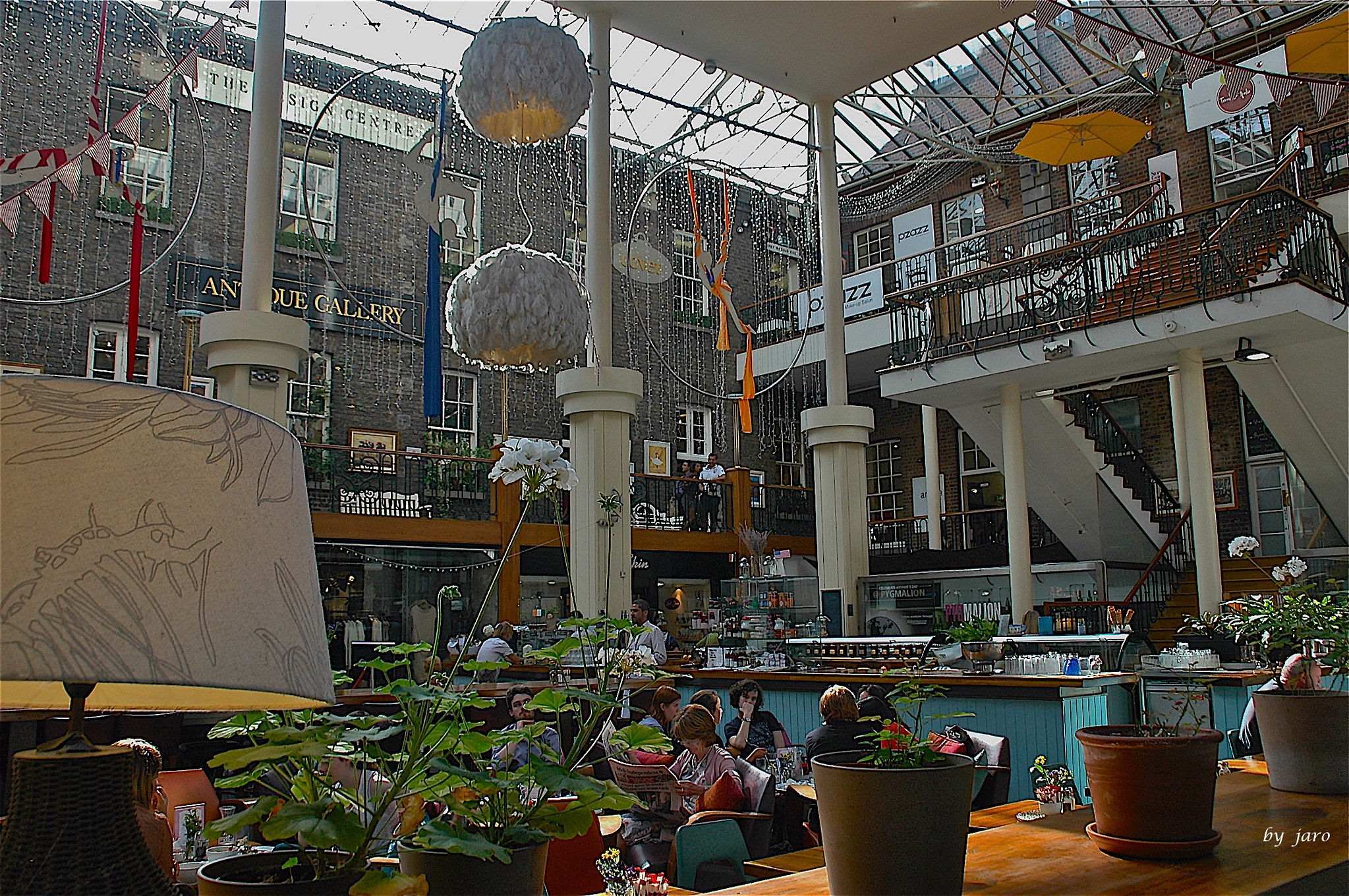
It’s said that Dublin is the biggest village in the world, historically, and still, a city of writers and poets, of people who know their history but increasingly look to the future. In more recent times it has become the European headquarters of major multi-national companies, but it’s still managed to hold onto that character.
As the city and country move further and further out of the shadow of a conservative, patriarchal past, there’s a vibrancy that comes with a young population who know they can be themselves and make their own way in the world.
With a small, walkable, city centre that also offers low cost public transport (90 minutes of travel for €2!), it’s a city that begs to be explored and discovered, again and again, and for more people to be inspired by its cobbled streets and modern architecture, and to maybe become part of the lore that will carry the story on!
Irish fandom
Irish conventions are well known for being welcoming and relaxing, a place where you could find yourself sitting across the table from a world-famous pro just as easily as across from a new fan at their first con. The fandom has managed to balance this informality with a proven record of running large events, and that feeling will be at the heart of our proposed Worldcon.
The majority of Irish conventions revolve around gaming, from Leprecon, the oldest convention in the country, to Warpcon, University College Cork’s annual event, to Gaelcon, the national gaming convention which happens every October. And more are always cropping up. There are also multiple anime and comic cons every year, as well the biannual Irish Discworld Convention.
Octocon is the National SFF convention, and the members of this convention gave the green light to the 2029 bid when it was proposed by Marguerite & Brian.
Fan zines, and zines more generally, have long held a particular place of joy within Irish fandom. Examples of these include the zines from author Sarah Maria Griffin, the bilingual zine Zín Dátheangach, plus Hugo Award winners Journey Planet & Slant, among others. That fan reaction to other media is something we’d like to highlight, whether it’s printed zines, recorded podcasts, or any of the other forms fan criticism and fan love can take.
Food
Dublin’s city centre has a thriving restaurant scene, ranging from traditional pub grub to Michelin-starred restaurants.
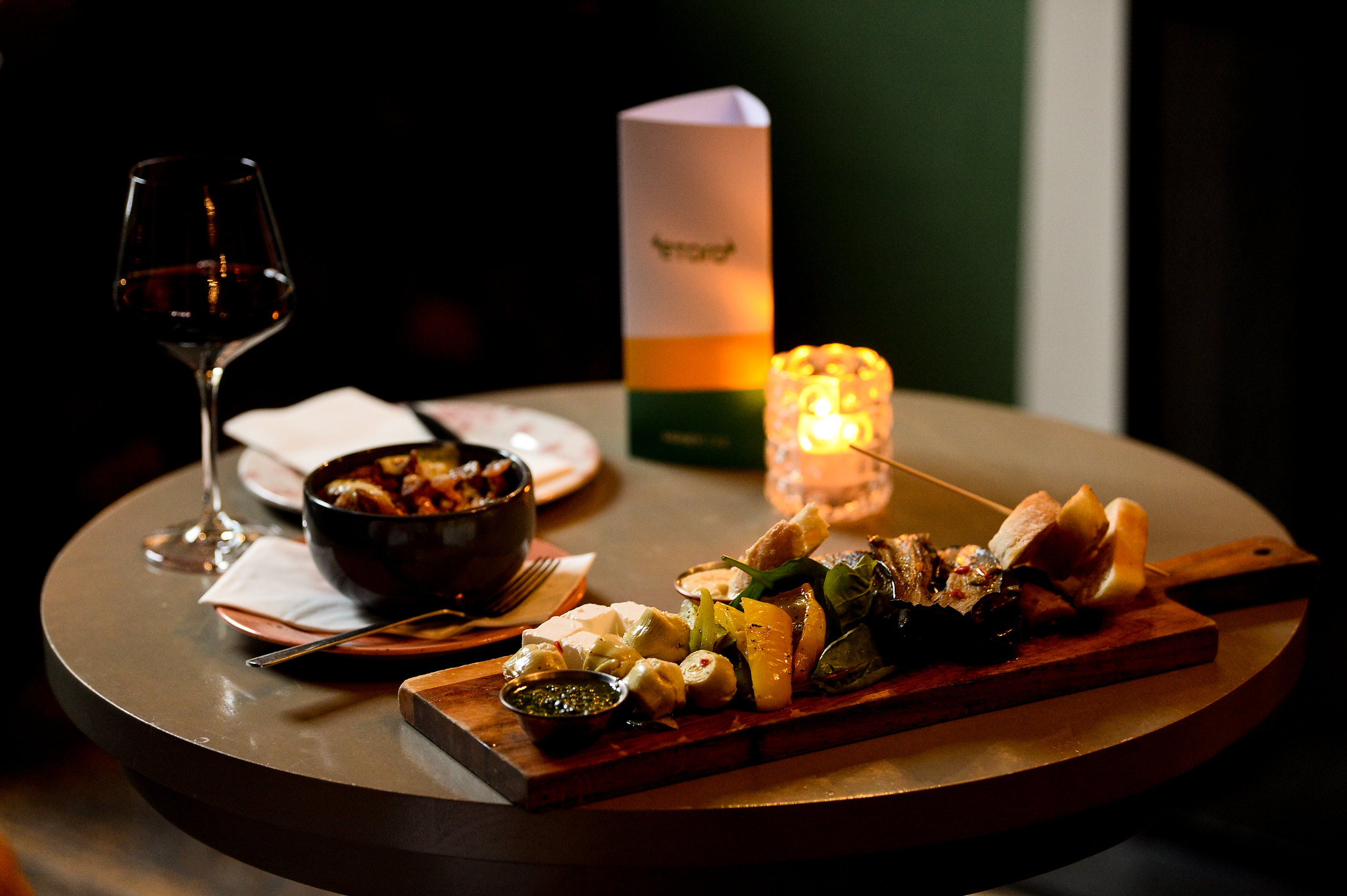
Irish restaurants will generally list 14 common allergens in dishes, along with whether the dish is (or can be) vegetarian, vegan, and/or gluten-free.
Sights
Dublin is famous for its hospitality as well as celebrating a rich literary and cultural history.
Trinity College and National Library of Ireland
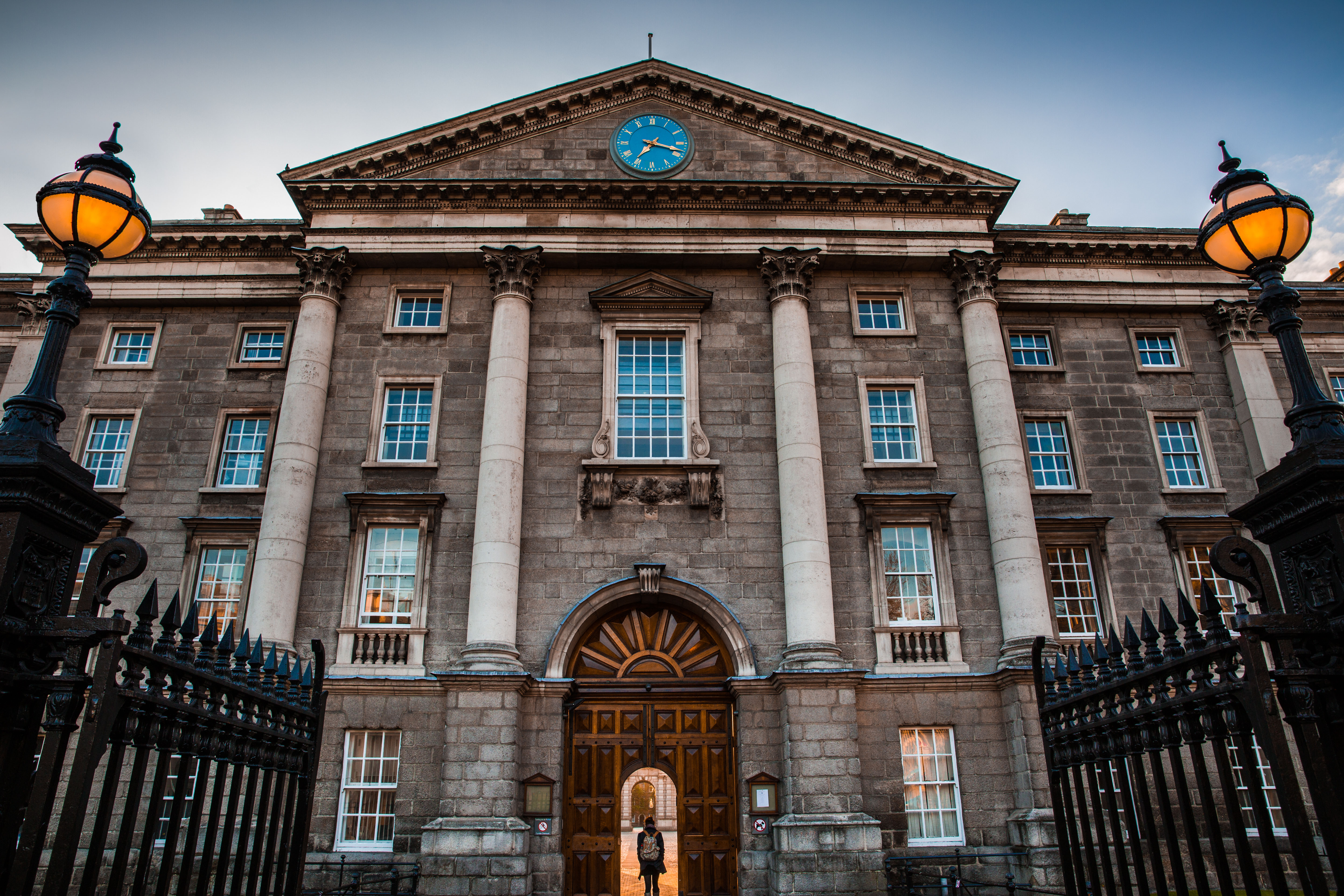
This houses the Book of Kells and The Long Room was the inspiration for the library in Star Wars Episode 3. It is also possible to stay in Halls at Trinity.
National Museum of Ireland
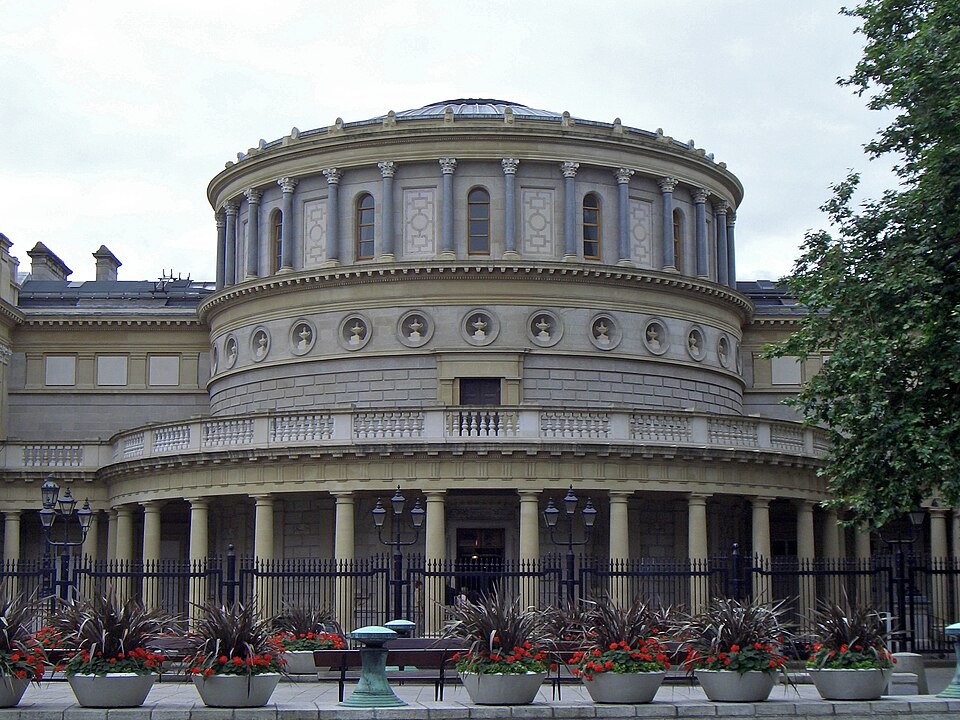
Three different venues in Dublin explore Natural History, Archeology and Decorative Arts.
National Gallery of Ireland
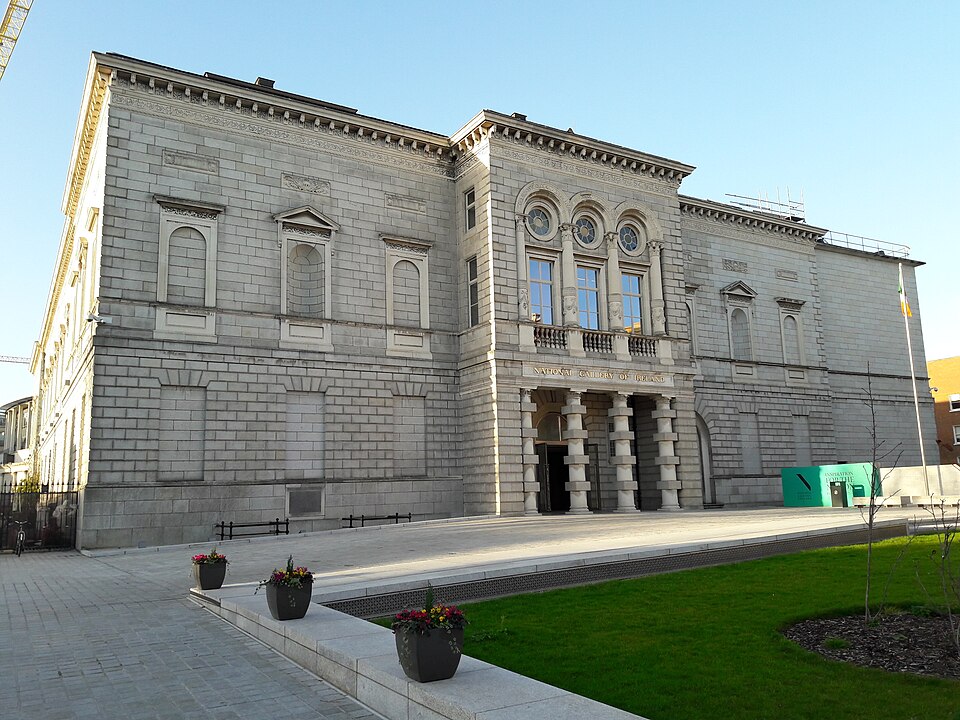
Art included in the collection includes Yeats, Titian, Michelangelo and Picasso.
The Guinness Brewery and Storehouse
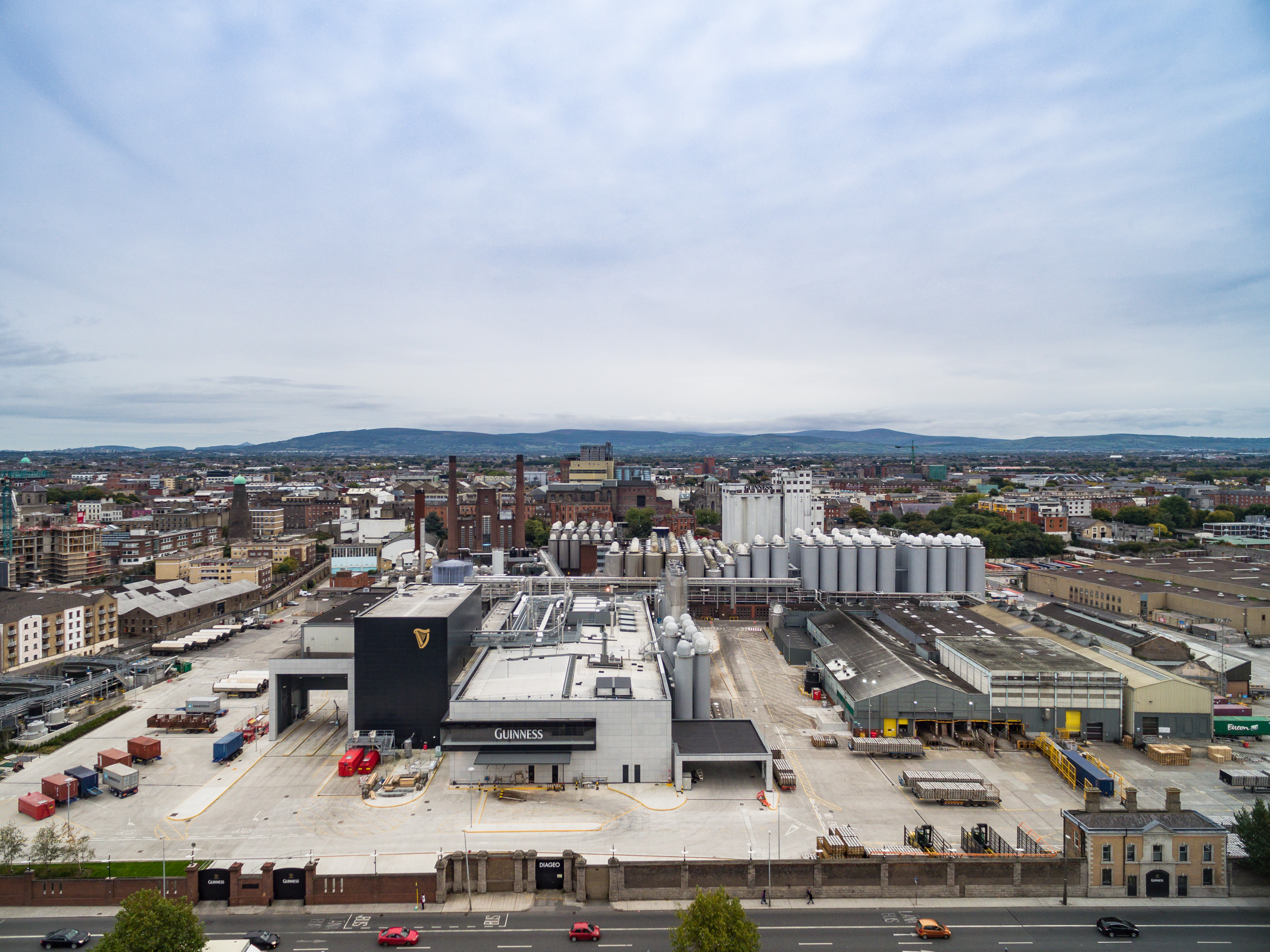
This is Dublin’s most popular tourist attraction. Visitors can tour the brewery, learn about the history of Guinness, and sample some of the wares.
Jameson Distillery, Teeling Distillery, Roe & Co Distillery, Pearse & Lyons Distillery
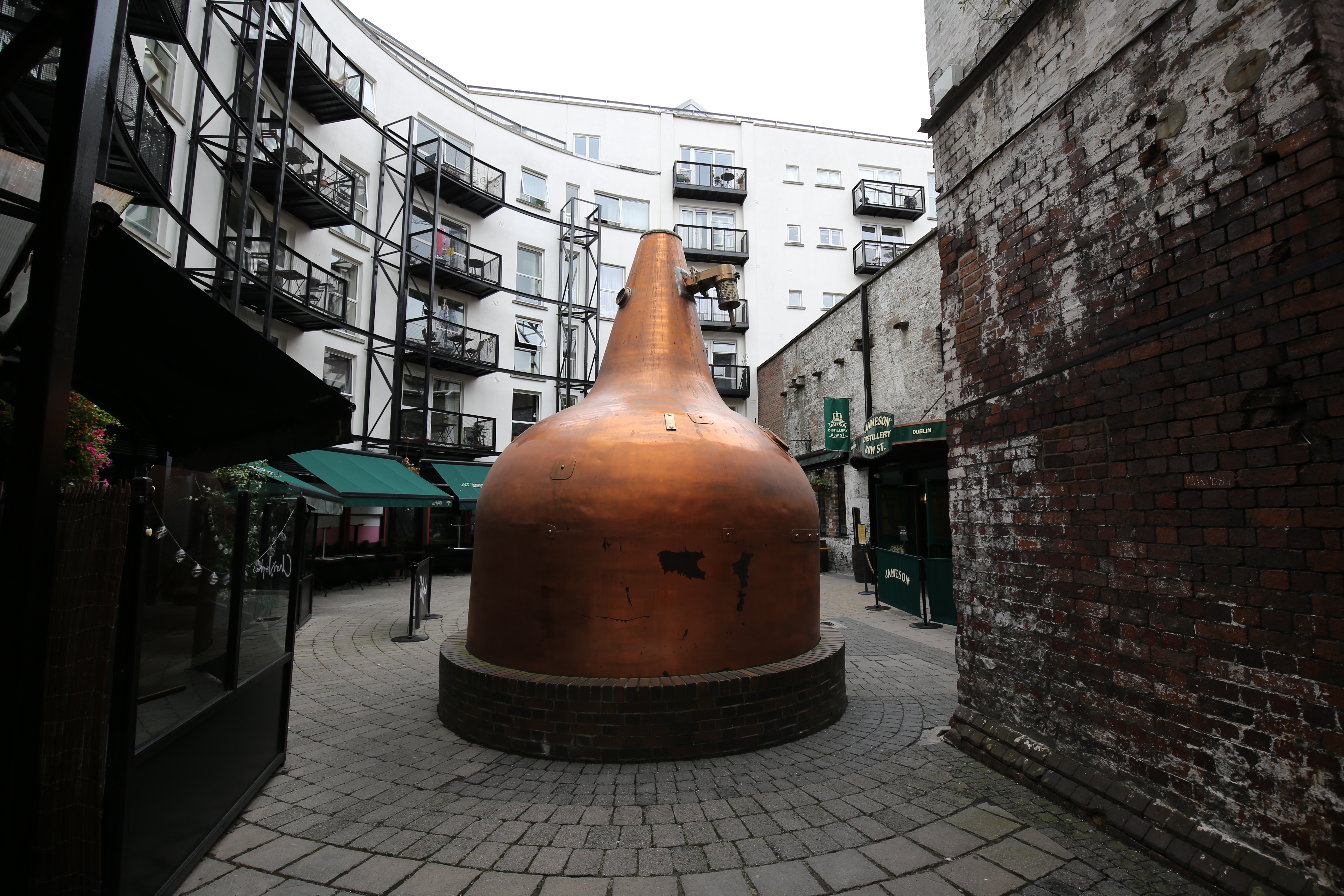
There has been a resurgence of distilling within the city limits, and now multiple distilleries offer the chance to learn about the process and maybe sample a drop or two along the way.
Temple Bar area
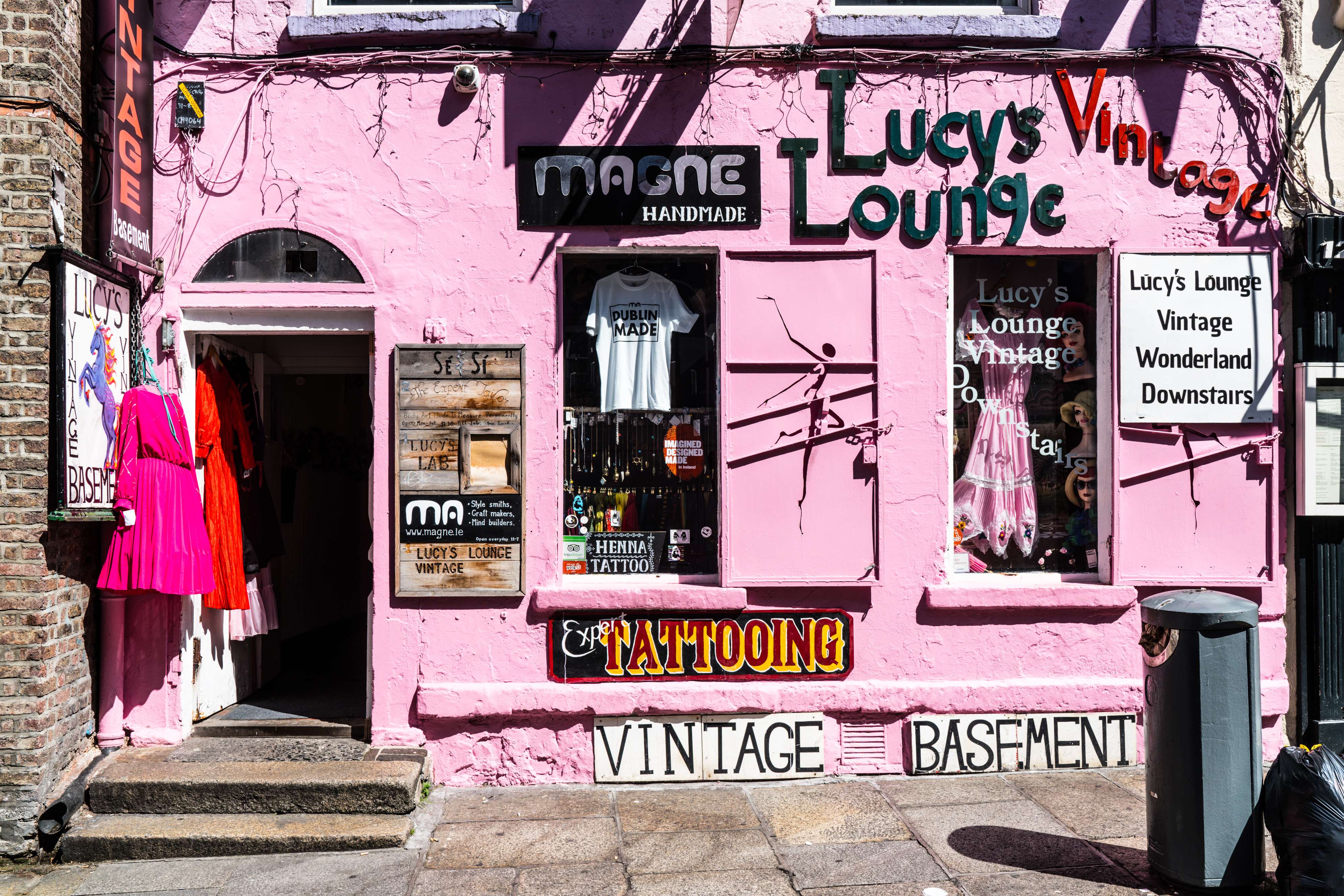
This is a popular area just south of the River Liffey, full of bars, places to eat and entertainment. It is also surrounded by a more eclectic shopping area which includes independent and secondhand bookshops, comic shops and alternative clothing stores.
1916 Easter Rising Tour / The Dublin Ghost Bus / City Sightseeing - Dublin
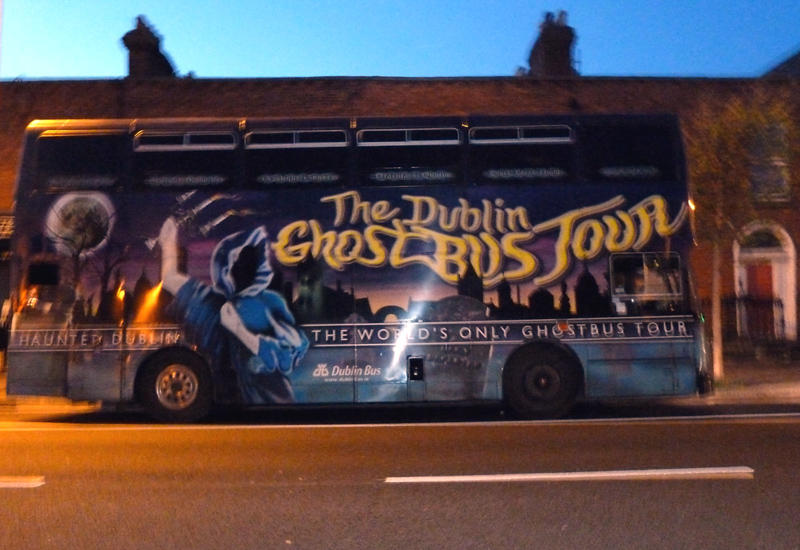
Several bus rides tour the town, which has also been used for location filming of series such as Penny Dreadful and Ripper Street.
Dublin Zoo / The President’s Residence
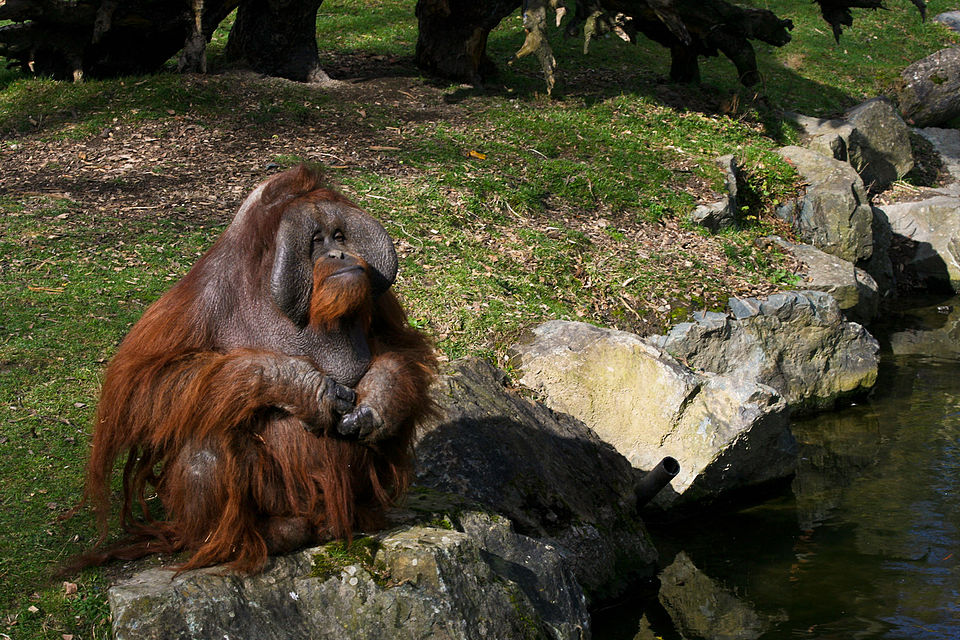
Phoenix Park is a walled park to the North of the River Liffey housing the zoo, the President’s residence, the largest obelisk in Europe and a number of decorative gardens.
Kilmainham Gaol
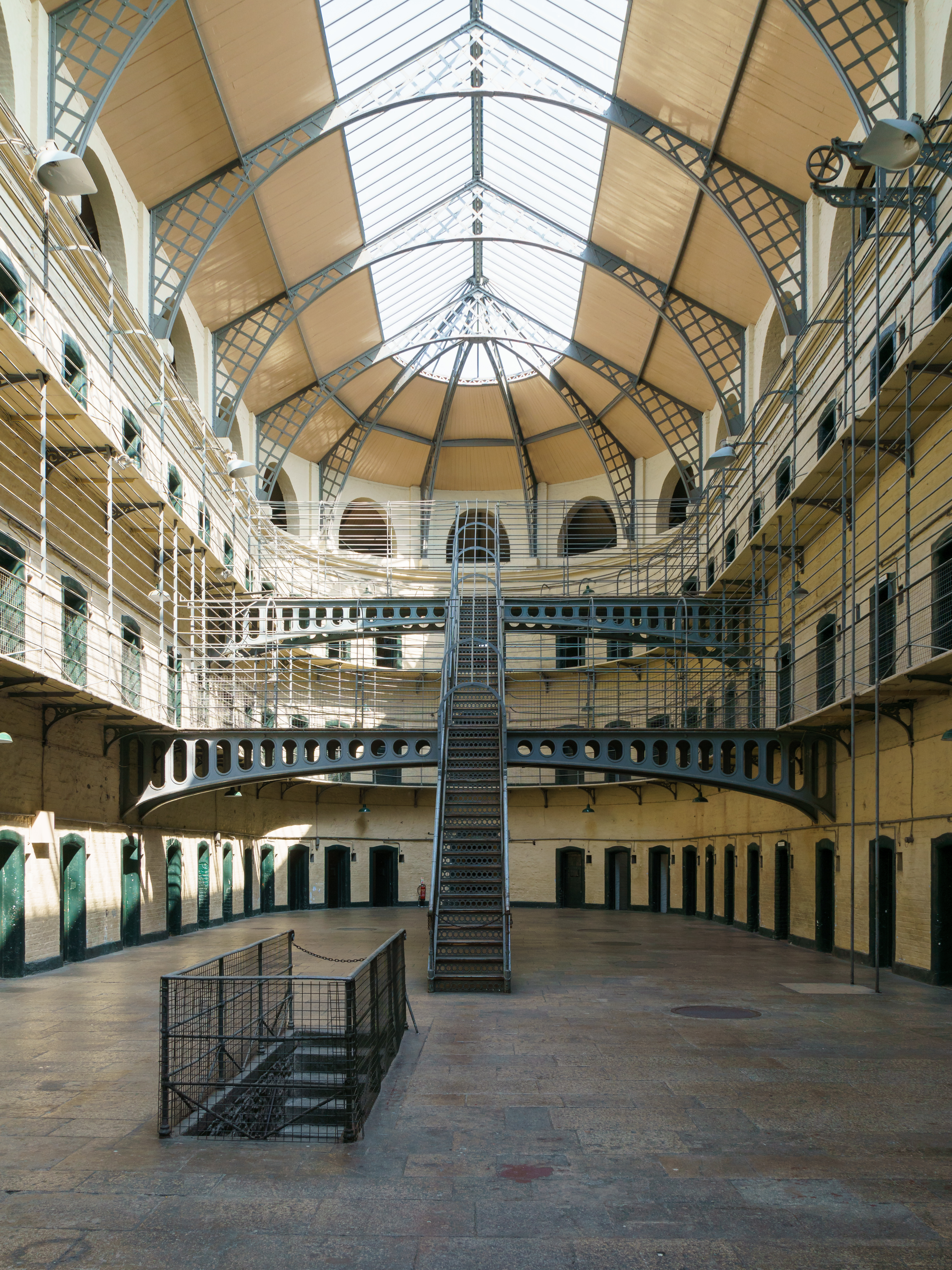
Kilmainham is one of the largest unoccupied prisons still standing in the world, and looms large in Irish history – many revolutionaries were held here, and sometimes executed here, before it was decommissioned by the Irish Free State in 1924. The tour also explores the city’s relationship with conflict and crime throughout the centuries.
Various Cathedrals and Churches
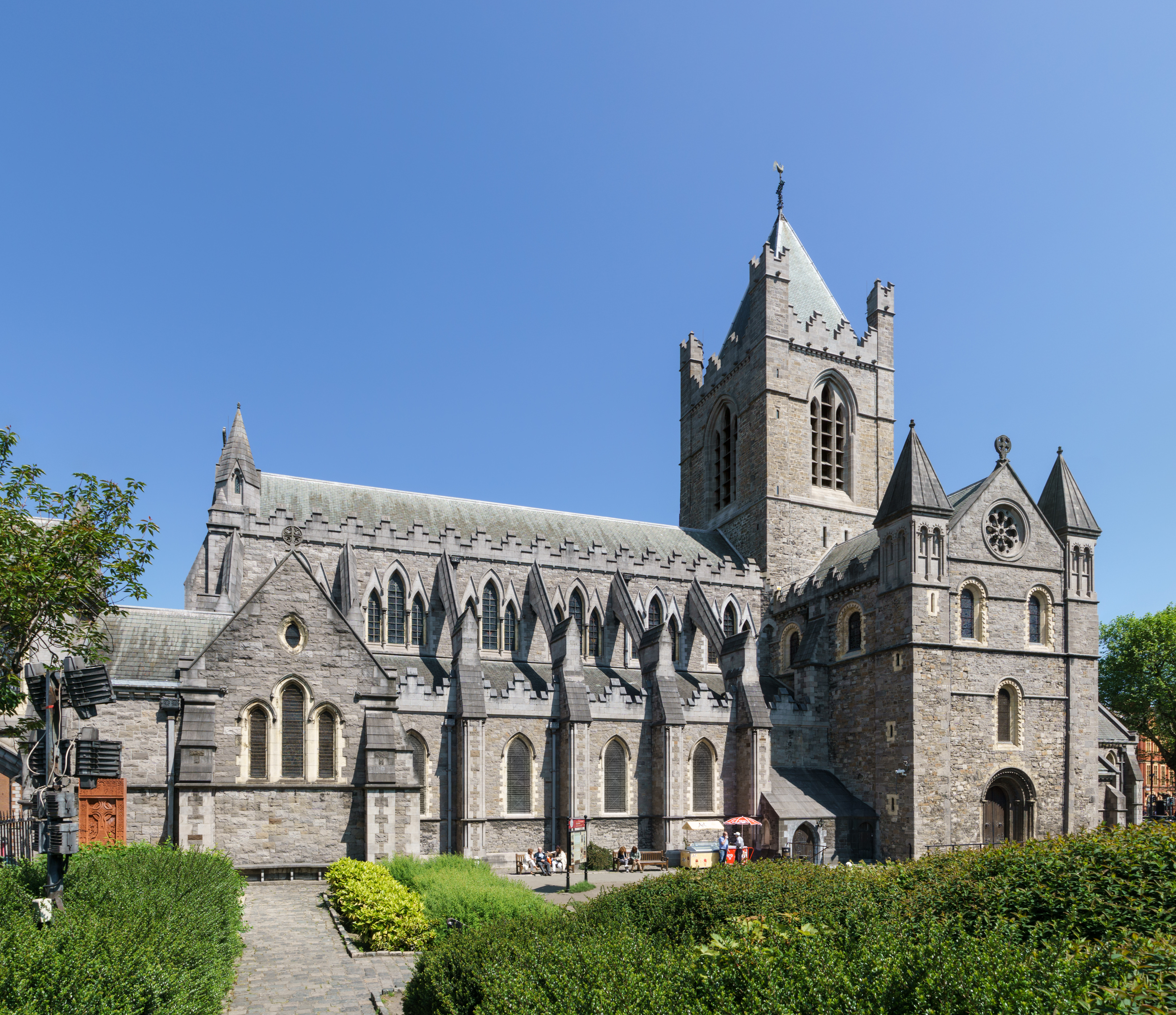
Until recently, Ireland was a profoundly religious country, and this is reflected in the diverse religious buildings that dot the city. You can visit St Valentine’s heart in Whitechapel Street Church or even shake hands with a Mummy in St Michans!
Countryside
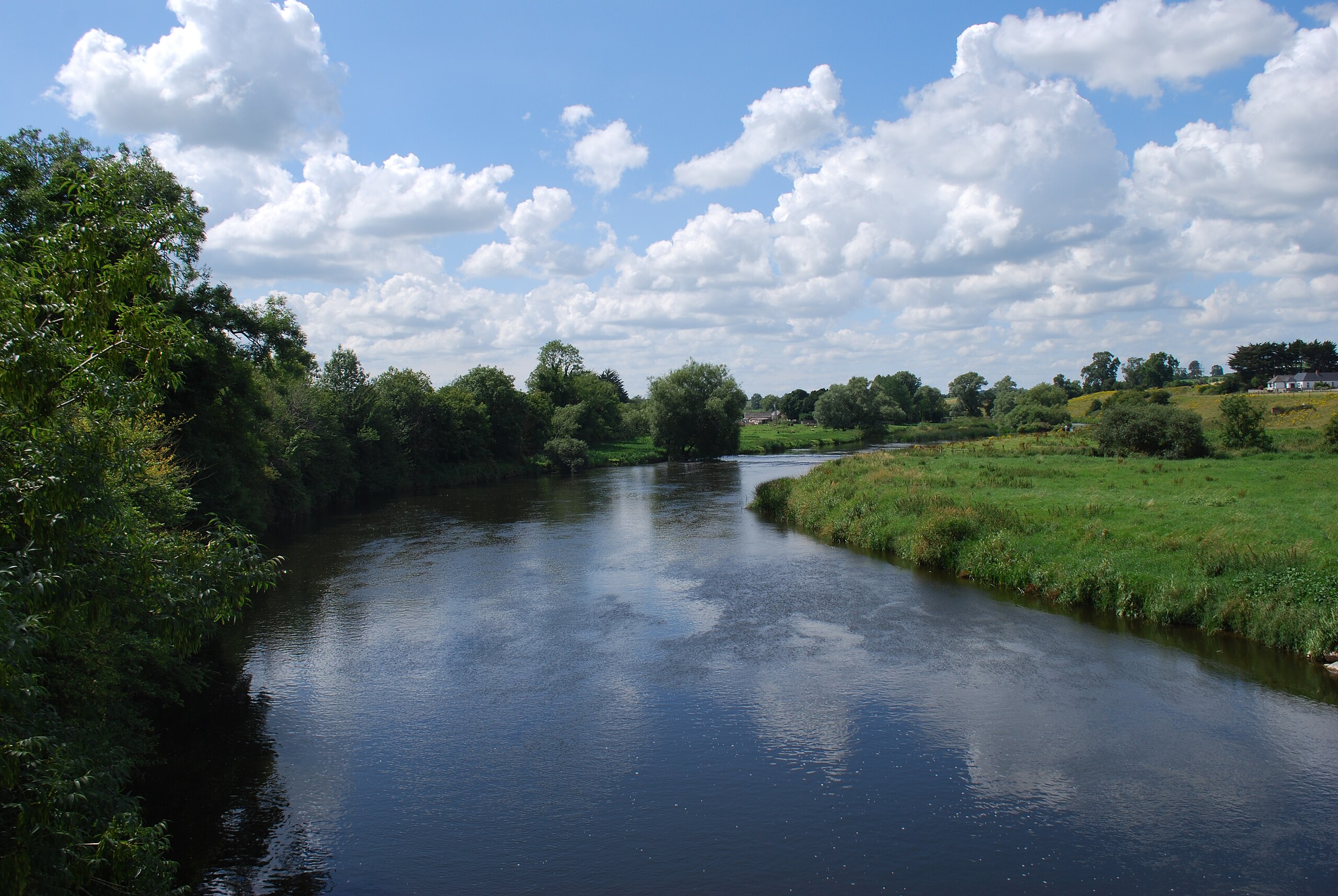
Dublin also provides easy access to the nearby countryside, and the Irish countryside is renowned for its beauty. Local attractions include the Boyne Valley, site of the Battle of the Boyne and home to a number of Celtic tombs and cairns, including Newgrange, which is older than the Egyptian pyramids. However, day trips and short excursions to the Cliffs of Moher in County Clare, the Ring of Kerry, Yeats Country in County Sligo, and more are all possible, not to mention city breaks in Belfast, Cork, Galway, and Limerick. Themed holidays are also well-supported; Fáilte (the Irish word for ‘welcome’ and also the name of our tourist board) even has an entire section for Knitting Tours.
The Skellig Isles were used in the climactic scene at the end of The Force Awakens, and several parts of Game of Thrones have been filmed across the island. Ireland is well known for its beautiful, evocative countryside and has featured in many science fiction and fantasy movies and TV series.