
Ten Books to Read Before You Visit Dublin
Every city has a personality, but Dublin wears its personality on its sleeve. It’s a city that talks, be it in pubs, on buses, or over garden walls, and a lot of its best writing simply captures people talking to each other, arguing, flirting, grieving, and taking the mick (unsure what that means? Take a look at our Dublin slang blog!). If you’re planning to join us for WorldCon 2029, you don’t need to do any homework before you arrive. But if you’re a eager beaver and would like a head start on Dublin life, or if you’re the sort of reader who likes to arrive somewhere already half in love with it, here are ten books, all set right here in Dublin, that will give you a feel for the place, its geography, its humour, its history, and its occasional gloriously bad weather, before you ever set foot on O’Connell Street.
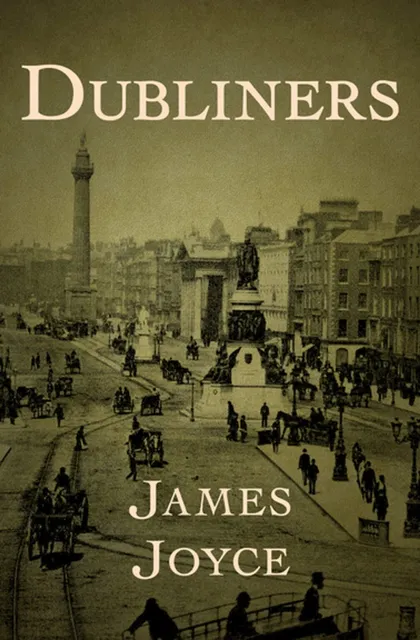
Dubliners — James Joyce
Fifteen short stories, one city, and not a single one of them longer than a bus ride. Plain-spoken and quietly devastating, offering a glimpse of the lives of ordinary Dubliners and full of small moments (a party, a walk, a death, a disappointment). Collectively they paint a portrait of a nation and will make sense of half the street names you’ll pass during the convention.
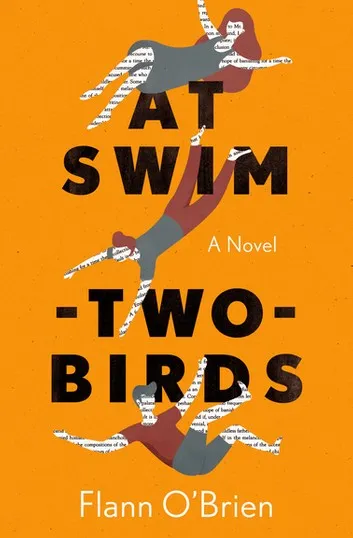
At Swim-Two-Birds — Flann O’Brien
A Dublin student is writing a novel about characters who are, in turn, writing a novel about him and plotting against him for his perceived tyranny over their lives. It’s absurd, self-aware, and doing genuinely strange formal things with narrative decades before “metafiction” was even a word anyone used. A very funny satire that also happens to be quietly experimental.
Normal People — Sally Rooney
Seen the show? Well now read the book! Two people from the same small town keep almost-connecting and almost-missing each other, all the way through their time at Trinity College. It’s a sharp novel and a glimpse into the tough social geography young people face, the invisible lines of who feels like they belong in a room and who doesn’t. As social stands ebb and flow, circles burst and reform, Marianne and Connell keep finding their way back to each other, even as pride, insecurity and circumstance keep finding and losing each other. It’s a painfully honest book about love, class, friendship and the people who can know us best while somehow still being the hardest to hold on to.
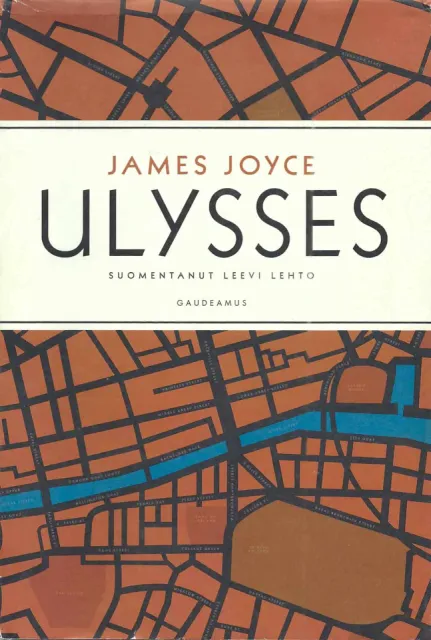
Ulysses — James Joyce
One ordinary Tuesday in Dublin, followed minute by minute, turns out to contain the whole of human experience as you follow central characters around the city. You don’t need all 700-odd pages before you land, even the first two or three chapters will have you spotting Sandymount Strand and the Martello Tower in person, and there’s a real thrill in recognising a street corner from a hundred-year-old novel while you’re standing on it.
In the Woods — Tana French
1984, three children fail to return home one evening and only one is found, traumatised. Twenty years later, now a detective, he finds himself investigating an eerily similar child’s murder in the same woods. A part of Dublin most tourist guides miss out, the suburbs, half-built estates, and edge-land woods make up the chilling scenes of this book. It’s a haunting mystery about memory, identity and the things we leave buried, set in a Dublin that feels both familiar and deeply unsettling.
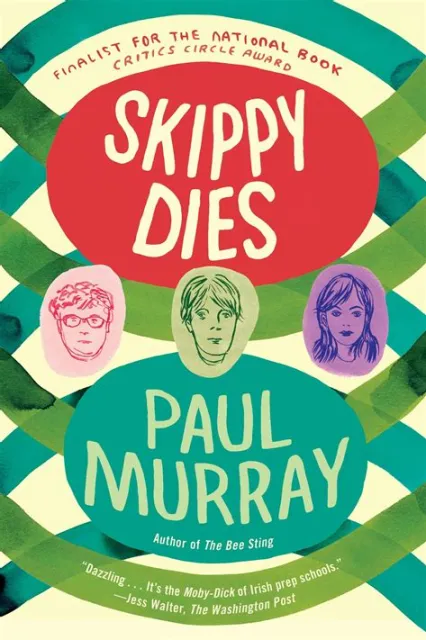
Skippy Dies — Paul Murray
The title tells you how it ends but the 600 pages before that are about how a South Dublin boarding schoolboy ended up dead on the floor of the local doughnut shop. It’s a tragicomedy in the truest sense, laugh-out-loud funny in one chapter, genuinely heartbreaking in the next, and it captures a very specific, moneyed slice of contemporary Dublin, and the pain, joy and beauty of adolescence.
Strumpet City — James Plunkett
Set in Dublin during the 1913 Lockout, Plunkett’s sprawling novel follows workers, employers, activists and families as the city is torn apart by one of the most bitter labour disputes in Irish history. From overcrowded tenements to grand Georgian houses, the different worlds exist side by side as the divide between them becomes a chasm. It’s an absorbing, furious, deeply human portrait of a city divided by class and a brilliant way to see how ordinary Dubliners lived, worked and fought for a better life.
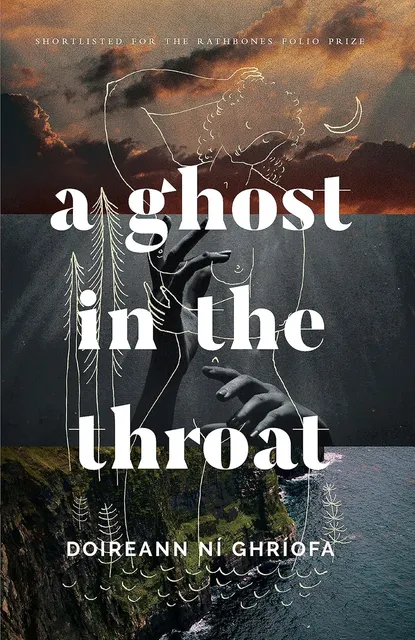
A Ghost in the Throat — Doireann Ní Ghríofa
In the 18th century an Irish noblewoman’s husband is murdered and while drinking his blood she composes an extraordinary poem. In the present day a Dublin mother becomes obsessed with the poem after somehow finding her own life braided into it. It’s part memoir, part translation, part detective story, part poem – altogether a strange, beautiful book about motherhood, language and the women whose stories survive because someone refuses to let them disappear.
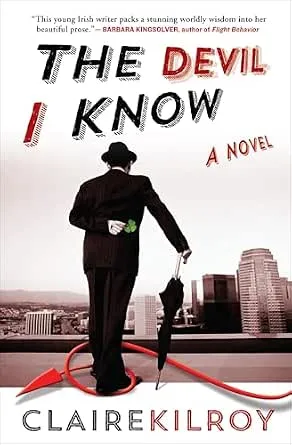
The Devil I Know — Claire Kilroy
When a recovering alcoholic returns to Dublin during the property boom of the late 90s and early 2000s, he finds the whole city has gone as unhinged as he once was. Soon he is inescapably trapped between grotesque builders and shadowy businessmen looking to cash in on development in Howth. It’s a sharp, darkly comic satire of Celtic Tiger-era Dublin, property speculation and collective delusion. It’s ideal for those who want to understand modern Dublin’s more recent, messier chapter, told with real narrative bite.
The Commitments — Roddy Doyle
Maybe you’ve heard of the film, but this fast and witty book is well worth the read. Almost all dialogue and little description, it’s your perfect introduction to how Dubliners talk: the rhythm, the slagging, the deadpan. A scrappy Northside Dublin crowd decide the answer to their problems is to form a soul band, but pressure of fame and fortune proves too much. It’s also the first of Doyle’s Barrytown trilogy, so if you like it, there’s more where it came from.
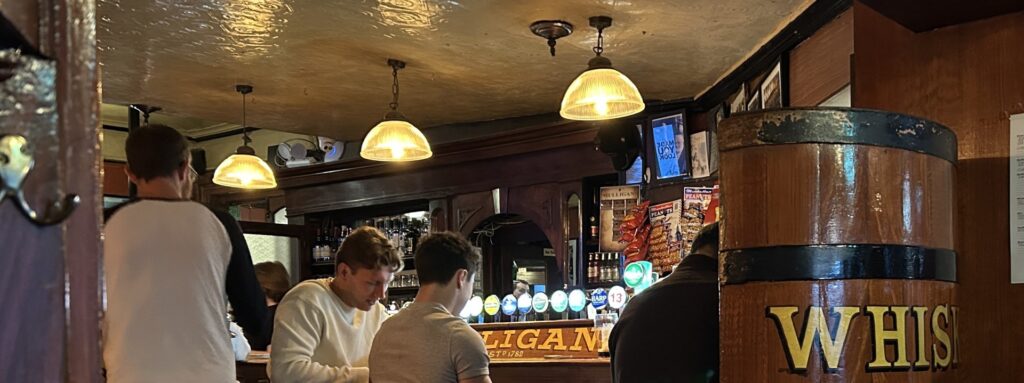
However you arrive at it, be it through Joyce’s early-twentieth-century streets, Doyle’s Barrytown kitchens, or Tana French’s fog-bound suburbs, we hope these ten books leave you a little more ready to find your own Dublin when you get here. See you in 2029.